
In the United States alone, American households discard over 80 million books each year, many of them cookbooks and food guides, according to research published by the American Library Association. That’s a lot of untapped inspiration sitting in landfills, and a huge missed opportunity for cafés and restaurants to connect with their communities.
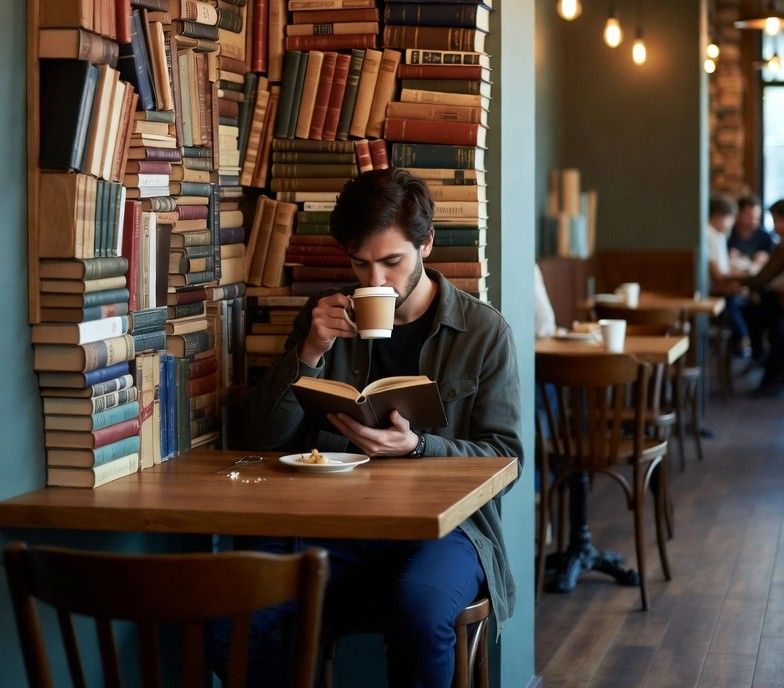
Studies show that people feel closer to their communities when there are shared cultural spaces. A café can be exactly that kind of space – a place where neighbors gather, conversations flow, and ideas are shared. Imagine a well-loved cookbook sitting on a shelf, customers flipping through it while sipping their cappuccinos and discussing recipes. That’s where Book Recycling stops being just a nice idea and becomes a living part of community life. Moments like these turn casual visitors into regulars and make the café feel like a true hub for connection and culture.
Why Food Books Are More Than Just Pages
Research by the Smithsonian Institution highlights how cookbooks do more than share recipes; they carry cultural memory. Flip through an old community cookbook and you’ll find stories about harvest festivals, family traditions, and long‑forgotten supper clubs. A café that showcases used food books invites customers to linger longer, to chat about a recipe, or to connect over a memory tied to a dish. There’s something undeniably charming about seeing a worn copy of The Joy of Cooking next to a menu featuring seasonal quiches and sourdough toast.
Beyond charm, expert analysis from the Journal of Sustainable Hospitality shows that eco‑conscious practices influence dining decisions, especially among younger consumers. When a business visibly embraces recycling – even in small ways like curated book collections – it signals that they care about the planet and about deeper connections with customers. That’s not a trend that’s about to fade.
Step‑by‑Step: Turning Used Books Into Community Magic
- Cookbook Shelves: Dedicate a cozy nook to recycled cookbooks that customers can borrow, read, or purchase at a small donation. Rotate the collection to keep things fresh and invite return visits.
- Book Swap Nights: Host monthly events where patrons bring food books to trade. Pair it with special menus or tasting flights, and suddenly your café becomes a social destination.
- Recipe Challenges: Pick a recycled cookbook each month and feature a recipe from it on your specials board. Then, encourage diners to share their own versions on social media.
- Collaboration With Local Schools: According to educators at Portland Community College’s Culinary Programs, student involvement in community events increases when businesses host collaborative learning spaces. Invite students to lead short demos or discussions around your recycled books.
Stories From Real Café Owners
There’s an intangible value to books that can’t be measured in dollars. Sarah, owner of Café Lumière in Portland, noticed that after she placed a few recycled cookbooks on a shelf, customers started leaving notes in them – tips, tweaks, even short stories. “It’s like our café became a living cookbook,” she said with a laugh during a local interview with The Oregon Daily Herald. The books themselves became conversation starters, and regulars began returning not just for the coffee, but for the experience.
“It’s like our café became a living cookbook,”
– Sarah, owner of Café Lumière in Portland
Even small spaces can benefit. A tiny café with a handful of recycled food books can become a living room of sorts – where people feel comfortable, curious, and connected. Community members often told Café Lumière that discovering a favorite childhood recipe in the shelf inspired them to bring in friends. That input translates into both brand loyalty and increased foot traffic.
Why This Works: Psychology and Place
According to a study from the Behavioral Science Journal, shared experiences – especially those tied to tangible objects like books – can strengthen community bonds. People remember experiences more than transactions. A café that fosters shared stories and encourages curiosity becomes more than a stop for caffeine. It becomes a cultural waypoint.
Community events linked to books and food also appeal to multiple interests. Foodies get new recipes to try. Readers find a welcoming space. Families discover activities that feel meaningful. In a world saturated with digital noise, this analog charm becomes a differentiator.
Serving Sustainability With a Smile
The hospitality industry is rapidly adopting environmental benchmarks as part of their brand promise. Consumers increasingly look for restaurants that are aligned with sustainable practices, and according to a survey from the National Restaurant Association, many diners say eco-friendly efforts influence where they choose to eat. This is similar to discussions on how local business solutions help build community food culture, where local shops and eateries work together to promote organic choices and local engagement. Implementing recycled books into your space is a small step with big symbolic weight. It shows thoughtfulness about waste, about culture, and about community.
More than that, it makes your space feel lived‑in, personal, and welcoming. Customers aren’t just buying a latte; they’re participating in a story.
Whether you host tasting nights, create a small cookbook library, or offer an interactive swap event, recycled books can help anchor your café in local life. Through initiatives like Book Recycling, idle pages transform into shared delight and meaningful engagement.